Monday, May 6, 2013

It's Monday
It's Monday and lets complain a little. Its another gluten-free, dairy-free, soy-free, egg-free, sesame-free day. I must have two meals for the day completed by 7:30 a.m. because it is a school day. I am lucky enough to have a wonderful eater for a daughter. She loves food and likes a wide variety of things. I am unlucky enough to have a wonderful eater for a daughter. She loves food an likes a wide variety of things. So she won't eat the same old thing everyday. The mothers of the fussy eaters are jealous of me. They watch my child snack on everything from sardines to watercress salad to scorpions (yep, I have pictures of that). But I am also a little jealous of them at times. They can throw together the same old thing because it is all their kids will eat and they are done. At our home, things get a little desperate. Once she has eaten something often enough, she does not care to see it show up on her plate for awhile. I am sure she would get tired of scorpions if I could serve them up regularly (She thought they tasted like a cross between chicken and popcorn. We have to take her word for it because I did not try them). She is tired of most of the breakfast foods that I can conjure up quickly. Coconut milk yogurt with allergen free granola - don't even suggest it. Not even with our own blueberry sauce - doesn't want to see that for awhile. 1-2-3-Gluten-Free pancakes???? with bananas for egg replacer - Nope, been there, done that. Gluten-free oatmeal with fruit and coconut cream??? SO over it. Turkey bacon??? That was good for awhile due to this being a vegetarian household prior to "the diet," but no, we have had our fill of that. Apples with nut butter??? Over that on the third day. Hash browns stirred up with broccoli, bell peppers and onions (throw in some chicken sausage, really expensive Applegate Farms sausage)???? That worked for the last month, but is losing its glow.
If I serve something that has lost its edge, she picks at it and does not eat much. It's a grumpy morning with me harassing her to hurry up and eat and her trying to eat something she now finds downright unappealing. Then, on that happy note, we race out the door for school and work.
Sunday has become begging day. I beg her to think of things that might be appealing come Monday, Tuesday, Wednesday, Thursday, Friday. Breakfast AND lunch options. This week she agreed to hash browns again with the addition of tilapia on the side. People might think I am spoiling her, but really, she's a good eater and I have to embrace that. She has invented a rub for tilapia that she likes, so she has some motivation to handle breakfast cooking while I handle lunch.
This morning, she had hash browns, tilapia and left-over butternut squash soup. For lunch, she was to have grilled chicken with a watercress parsley salad, cucumber slices, carrot sticks and munchies. Munchies are some sort of allergen free cereal or crunchy snack (just nothing sweet, she is not that big on sweets) with some almonds or non-peanut nut thrown in. I have found that without some sort of carbohydrate, she will get in the car starving at the end of the long school day. I need the nuts for a protein boost. She is sick of sunflower seeds.
Chicken cooks much better if you turn the oven on. (Remember, this is Monday). As the carpool ride to school pulled up, I was desperately emptying plain salmon into a container for some sort of lunch protein. I squeezed a little lime and some seasoned salt on it and ran it out to the car. Better luck tomorrow, the chicken should be cooked by then.
I am off to work now, thinking, "Ok, what's for dinner?" Can't be tilapia, its my breakfast savior this week.
If I serve something that has lost its edge, she picks at it and does not eat much. It's a grumpy morning with me harassing her to hurry up and eat and her trying to eat something she now finds downright unappealing. Then, on that happy note, we race out the door for school and work.
Sunday has become begging day. I beg her to think of things that might be appealing come Monday, Tuesday, Wednesday, Thursday, Friday. Breakfast AND lunch options. This week she agreed to hash browns again with the addition of tilapia on the side. People might think I am spoiling her, but really, she's a good eater and I have to embrace that. She has invented a rub for tilapia that she likes, so she has some motivation to handle breakfast cooking while I handle lunch.
This morning, she had hash browns, tilapia and left-over butternut squash soup. For lunch, she was to have grilled chicken with a watercress parsley salad, cucumber slices, carrot sticks and munchies. Munchies are some sort of allergen free cereal or crunchy snack (just nothing sweet, she is not that big on sweets) with some almonds or non-peanut nut thrown in. I have found that without some sort of carbohydrate, she will get in the car starving at the end of the long school day. I need the nuts for a protein boost. She is sick of sunflower seeds.
Chicken cooks much better if you turn the oven on. (Remember, this is Monday). As the carpool ride to school pulled up, I was desperately emptying plain salmon into a container for some sort of lunch protein. I squeezed a little lime and some seasoned salt on it and ran it out to the car. Better luck tomorrow, the chicken should be cooked by then.
I am off to work now, thinking, "Ok, what's for dinner?" Can't be tilapia, its my breakfast savior this week.
Friday, April 12, 2013
Food Dyes
Food
Dyes-Yep, some people break out in hives when given that red popsicle. Some kids get really irritable with flushed
cheeks after those orange colored cheez-its.
Some kids get hyperactive after their antibiotics are dosed. Did you notice the medicine was pink? We in
America will add color to almost anything.
I saw pickle relish dyed purple.
WHY would anyone want to do that?
Or eat that? But I guess it is
‘fun.’ It’s not fun if you break out in
hives or excema or you just feel lousy.
Plus, food dyes are being linked to cancer. Of course, you may have to eat a lot of dyes
to get cancer, but then again, we eat a lot of foods with food dyes. Did you know that those same food dyes are
banned from children’s foods in Europe and Great Britain because of the
research on food dyes and behavior? Did
you know that major food manufacturers in the United States make foods without
those dyes to ship to Europe and Great Britain, yet still add it the foods they
sell here? Makes me crazy.
I
went out to buy all-natural organic food dyes, but they were exhorbitantly
expensive. We went home and made red dye
from beet juice. I am working on some
other colors. I occasionally let the kid
and company indulge in sprinkles on cupcakes, but not much. Food dyes scare me. I may start a business of making and selling
natural food dyes. Color is fun, but
cancer is not.
Here
is an article from Allergy Kids.
PLEASE
DO NOT CONSIDER THIS MEDICAL ADVICE.
CHECK WITH YOUR DOCTOR ABOUT ANY ALLERGY CONCERNS, NOT WITH A FRIENDLY
BLOGGER.
Sesame
Sesame
seeds look so cute and benign, but The National Institute of Health notes that
sesame is a rapidly increasing allergy in children. This is thought to be due
to its increased presence in the American diet.
It is most often identified in children under the age of 2. The first symptom is often an anaphylactic
reaction such as hives and swelling. It
is thought that about 20% of these children will outgrow this allergy by
preschool.
Children
with peanut or tree nut allergies are also likely to be sensitive to
sesame.
Sesame
can make a parent super vigilant because the cute little buggers can be
sprinkled everywhere. Sesame seeds are
sprinkled on bagels, sushi, and hamburger buns.
Sesame is also the base for tahini and therefore in hummus and falafel.
Granola, crackers, and many breads have sesame seeds. Indian curries (both powders and paste) may
also have sesame. Some kids will break
out in hives if they have been kissed by someone who has recently eaten
anything with Sesame.
Sesame
oil is considered a great flavor to add to stir fries and other Asian cooking.
It can also be used in making lipsticks and other cosmetics.
In
Canada and the European Union, sesame is considered a major allergen and must
be noted on food products. Yay for Canada and Europe.
Here
is a nice article and list of sources of sesame.
PLEASE
DO NOT CONSIDER THIS MEDICAL ADVICE.
CHECK WITH YOUR DOCTOR ABOUT ANY ALLERGY CONCERNS, NOT WITH A FRIENDLY
BLOGGER.
Fish and Shellfish
Fish
There are a lot of fish in the ocean
and people who are allergic to fish are usually not allergic to all of
them. However, it takes specific allergy
testing, fish by fish, to figure out which specific fish is a problem. Many
people who have a fish allergy just avoid all of them. Fish allergies are up there with peanuts for
the high rate of anaphylactic reactions.
People think fish are obvious (and they
usually are), but fish can ‘hide’ as well.
Watch out for anchovy paste, fish sauces and fish broths. And who would have known that you could find
fish gelatin in marshmallows.
Oddly enough, people who are allergic
to fish are generally not cross-reactive with shellfish.
Here’s a little article on fish
allergies and sources of fish.
Shellfish
Shellfish allergies send more people to
the emergency room each year than any other allergy. It can make you re-think that shrimp platter
for your party. Shellfish refers to the
shrimp, crab and lobster, as well as octopus and squid (who knew? no
shell). Some people may be allergic to
clams, mollusks, and oysters. Shellfish
allergies usually develop after early childhood and are not “outgrown.” Shellfish are usually pretty obvious on the
table, but can hide in sushi or sauces.
Some people are also sensitive to vapors when shellfish are cooking or
to cross contamination on cooking spoons.
Here is a nice little article on
shellfish and sensitivities.
PLEASE
DO NOT CONSIDER THIS MEDICAL ADVICE.
CHECK WITH YOUR DOCTOR ABOUT ANY ALLERGY CONCERNS, NOT WITH A FRIENDLY
BLOGGER.
Soy
Soy, always touted as a healthy food,
is also a major allergen. Like peanuts,
it is a legume. And like peanuts, soy is
in obvious places such as soy sauce, but is also hidden in other foods. Even more than peanuts, soy is a major
ingredient in many processed. foods. So
there is “obvious soy” such as tofu, edamame, soy sauce and soy milk. Then there is less obvious soy. Soy is an
“agent” in many other foods. Who knew
that soy would be in just about all chocolate and also in your tea bags. Soy lecithin is an emulsifier. Its keeps processed food blended well. When soy lecithin is an ingredient, there is
very little soy in product, usually less than one percent. However, it is there and it has to be
listed. You can find chocolate and tea
bags (and other stuff) without soy lecithin, but you have to look. In addition
to working as an emulsifier to keep ingredients from separating, soy lecithin
can be found in cake mixes to smooth out the dough and make it spread more
easily. In baking, it can help dough rise.
Soy is in a lot of infant formula.
It is a problem for people sensitive to soy. Some people are also concerned that the
genetically modified soy is contributing to other allergies (see peanuts).
Here is a cheat sheet on Soy Allergies
from the Lucille Packard Children’s Hospital.
PLEASE
DO NOT CONSIDER THIS MEDICAL ADVICE.
CHECK WITH YOUR DOCTOR ABOUT ANY ALLERGY CONCERNS, NOT WITH A FRIENDLY
BLOGGER.
Tree Nuts
Tree nuts include almonds, pine nuts,
macadamia nuts, pecans, hazelnuts, chestnuts, cashews, brazil nuts, pistachios,
lichee nuts and walnuts. Tree nut
allergies are very common and tend to persist into adulthood.
A tree nut allergy means “no
nuts.” These nuts are all biologically
related so if a person is allergic to one, they may react to any of the others.
Tree nuts are not related to
peanuts. Peanuts are a legume. Tree nuts are a hard fruit of a tree. So a person
who cannot have peanuts, may be able to have tree nuts and vice versa. However,
many people with a tree nut allergy also have a peanut allergy.
Sunflower seeds are seeds, not nuts, so
you are good there unless there is cross contamination. There is only the rare allergy to sunflower
seeds, but parents should keep you posted.
Nutmeg is not made from nuts, so it is
ok.
Water chestnuts are also not nuts (as
noted by the Food Allergy and Anaphylaxsis Network).
Coconut is listed by the FDA as a tree nut,
however coconut allergies are extremely rare.
The coconut is not considered a “tree nut” in most of the “allergy
circles.” Some of the big Food Allergy
sites are trying to get the coconut off the nut list because it confuses
people.
Tree nuts can be found in nougats, nut
butters, granola bars, cereals, pesto, marinades, and some lotions (think shea
butter from the shea nut).
Here is the tree nut allergy avoidance
list.
PLEASE
DO NOT CONSIDER THIS MEDICAL ADVICE.
CHECK WITH YOUR DOCTOR ABOUT ANY ALLERGY CONCERNS, NOT WITH A FRIENDLY
BLOGGER.
Peanuts
Peanuts, like soy, are legumes (which
is different from nuts and beans).
Peanut allergies have increased dramatically in the last ten years.
According to the Mayo Clinic, peanut allergies are one of the most common
causes of food-induced anaphylactic reactions.
Anaphylaxis can result in constriction of the airways and a drop in blood
pressure. It can require immediate treatment
with Epinephrine-hence the Epi Pen’s presence for some families.
People with peanut allergies have to be
very cautious. Some people react to
foods that have touched peanuts. Cross
contamination is a big concern as food manufacturers will process peanuts in
their plants along with seemingly innocent foods. Many schools are opting to be “peanut free”
to avoid possible reactions. For
families who do not have a peanut allergy, this can seem unreasonable. For families where there is a severe peanut
allergy, it hardly feels like enough.
Peanuts and peanut butter seem pretty
obvious when you think peanut. Peanuts
are also common in candy bars as well as in marinades used in restaurants. Ethnic foods, such as Asian and African
foods, can contain peanuts or ground peanuts.
Here is a cheat sheet for sources of
peanuts.
PLEASE
DO NOT CONSIDER THIS MEDICAL ADVICE.
CHECK WITH YOUR DOCTOR ABOUT ANY ALLERGY CONCERNS, NOT WITH A FRIENDLY
BLOGGER.
Egg
Egg allergies are more common in young
children. This is the second most common
food allergy in children. Children can
grow out of this allergy (often by age 5), but it quite serious while it is
present. Egg allergies can persist into adulthood. There are four proteins in
the egg white and one protein in the yolk.
An egg allergy can be to any or all of these proteins. If it is specific to one protein in the egg
yolk, then egg whites may be ok.
Similarly, some people can have yolks, but not egg white. With small children, few people mess around
and experiment. They just take eggs out
of the diet. There go eggs, custards,
many baked goods, eggnog, several pastas and pretty much anything with
egg. Some breads and pretzels have an
egg wash coating them. Vaccines also
have to be considered carefully as egg protein is used in many vaccines,
including the flu vaccine. In addition
to an egg allergy, some people have a histamine response to egg white. This can result in gut discomfort, but can
also reach an reaction that is similar to anaphylaxsis.
There are several good ‘egg replacers’
so that you can continue to bake without eggs.
We use a banana in our (gluten-free) pancake mix. Apple sauce works in some cake recipes. There is also Ener-G egg replacer. It is made from several starches, but is also
gluten-free, dairy-free, soy-free, etc.
There is also xantham gum. It’s a
little expensive, but you also only use a teaspoon at a time, so a little goes
a long way. I looked up xantham
gum. It’s made from that slime you see
growing on old broccoli in your fridge.
Not exactly an appetizing thought, but it looks like a benign white
powder and its gluten-free, egg-free, dairy-free etc.
The Kids
with Food Allergies site has a list of hidden sources of eggs.
PLEASE
DO NOT CONSIDER THIS MEDICAL ADVICE.
CHECK WITH YOUR DOCTOR ABOUT ANY ALLERGY CONCERNS, NOT WITH A FRIENDLY
BLOGGER.
Dairy
Dairy is now the number one food
allergy. There are dairy allergies and
also the more commonly known lactose intolerance. These are two different things. The dairy allergy is usually to the protein
in the diary. The lactose intolerance is
due to an inability to break down a sugar in the milk. People with lactose intolerance can often
tolerate some dairy. Dairy allergies or
sensitivities usually require elimination of all dairy. Some people conclude they must avoid milk and
are surprised to find they must also avoid yogurt, cheese, ice cream, sour
cream, and BUTTER. There go the cream
based soups, mashed potatoes, baked goods with dairy, and so many
desserts. The not-so-obvious sources of
dairy include curds, whey, rennet, and casein (a milk protein). Any substances with “casein” in the word or
“lacto-“ as a prefix likely also need to be avoided. Some dark chocolate is dairy-free, but milk
chocolate is obviously not. Dairy can
show up in weird places like tuna (processed with a casein derivative), caramel,
mints, soap, broths, medications, and some artificial sweeteners.
Some people who are sensitive to cow’s
milk, can tolerate goat’s milk. That protein is easier to digest. People with a true milk allergy may not be able to have any milk.
The Kids with Food Allergies website
has a comprehensive list of things you need to avoid when trying to avoid
dairy.
Because of the high rate of dairy
allergies and sensitivities, alternatives are available. We use Earth Balance
Coconut Spread because it does not contain soy either. It works really well as a butter
alternative. All the kids like it.
PLEASE
DO NOT CONSIDER THIS MEDICAL ADVICE.
CHECK WITH YOUR DOCTOR ABOUT ANY ALLERGY CONCERNS, NOT WITH A FRIENDLY
BLOGGER.
Wheat and Gluten
Wheat (and
gluten)
PLEASE
DO NOT CONSIDER THIS MEDICAL ADVICE.
CHECK WITH YOUR DOCTOR ABOUT ANY ALLERGY CONCERNS, NOT WITH A FRIENDLY
BLOGGER.
Wheat allergies are not uncommon in
children. A wheat allergy can result in
hives, rashes, breathing problems, watery eyes, stomach problems and even
anaphylaxsis (a reaction that can include throat swelling and other
complications that can lead to death), thus a wheat allergy is treated like any
other allergy. Avoid wheat and be ready
to treat if there is an exposure.
Another big problem with wheat is the
skyrocketing number of people with gluten sensitivities. Gluten is the protein in wheat, barley, and
rye. People with celiac disease are
unable to digest gluten and need to avoid all foods with gluten. Some people
have a gluten intolerance or sensitivity for other reasons (such as overgrowth
of intestinal yeast). Gluten can cause
both physical and behavioral changes in these people. Some kids have seizures with gluten exposure.
Gluten was not in the common man’s
vocabulary twenty years ago. But now we
can marvel at the products labeled gluten free (“Look honey! Milk is gluten free!”). Other products are labeled “wheat free,” but
remember that this is not the same as gluten free. The food could still contain rye or
barley. Also know that wheat can be a common
“cross contaminant.” Wheat flour is used
to keep foods from sticking, thus it has been used to dust conveyor belts that
process other foods (such as rice at times).
It is also used to keep frozen French fries from sticking together.
Thus, even though potatoes do not have gluten, frozen French fries or fast food
fries probably do. Wheat is also in soy
sauce and soy sauce is in lots of other sauces, dressing, and marinades (we do
not think of wheat as being in liquids, but there it is). Wheat hides as “starch,” “natural flavoring,”
and “hydrolyzed vegetable protein” to name just a few. Gluten is also in art supplies, play dough
and glue (gluten is where glue got its name).
There is a lot written on hidden
sources of gluten. We can be thankful
that “gluten-free” labels are increasingly common. Magazines, such as Living Without, have pull-out ‘cheat sheets’ to help you check
those strange ingredients, such as ‘textured vegetable protein’ (yep, that is
often gluten). Because of increasing
number of gluten sensitivities, you get a lot of help spotting gluten. Many
restaurant menus also mark their gluten-free items.
The Kids
with Food Allergies website also has a quick ‘cheat sheet’ for wheat
(though this does not give you all the possible sources of gluten)
The WebMD
site has a list of hidden sources of gluten.
The Eight Major Food Allergens (and some others)
This
blog is mostly about partying on despite food allergies. My kid loves ‘party
food’ and has had to eliminate several major foods from her diet. I want to educate the world about how to
entertain those who have food allergies or sensitivities so I do not have to
send “safe” party food to every event she attends. Along with tips for entertaining, a little
education might be helpful. This is one
of those educational entries. PLEASE DO
NOT CONSIDER THIS MEDICAL ADVICE. CHECK
WITH YOUR DOCTOR ABOUT ANY ALLERGY CONCERNS, NOT WITH A FRIENDLY BLOGGER.
There
are eight foods types that are thought to be responsible for 90% of allergic
reactions. These eight are WHEAT, DAIRY,
SOY, EGGS, TREE NUTS, PEANUTS, FISH, and SHELLFISH. The Food and Drug Administration (FDA)
requires that food manufacturers list the eight major food allergens if they
are present in the food being produced.
These ingredients must be listed in simple English and are often in bold
at the end of the ingredient list. This
allows for quick and easy checking of these eight. This is important because certain allergens will
show up where we least expect it. We got two bars of specialty soaps from
different friends at Christmas-both had soy in them. We can find dairy-free
dark chocolate, but chocolate without soy lecithin is much harder to come by. There
is a fish gelatin in the marshmallows we use.
We do not have to avoid fish, but others do, so I keep it in mind. We are hunting for a different marshmallow
now.
Also
important to know - manufacturers are not required to list possible cross contamination.
This means that if the allergen is not supposed to be in the food, but may have
snuck in from another conveyor belt, the manufacturer does not have to say
so. Some do put warnings after the ingredient
list-“this product produced in a plant that also processes peanuts”. However, not all manufacturers do, so parents
have to know the severity of the allergy (which parents often find out all too
quickly) and make calls to manufacturers if necessary. People with severe food allergies may politely
grill the host of any party before they put anything in their mouth or their
child’s mouth. Be understanding, as a severe allergic reaction puts a damper on
your party.
If
an allergy or sensitivity is not one of the big eight, you have to become a
very informed consumer. Some things, like strawberries, do not often “hide” in
foods. Other ingredients can be more
elusive. For example, corn is a ubiquitous ingredient hiding under a variety of
labels. Corn is not considered a major allergen, but some people are finding
they are sensitive to it. Corn is
everywhere. Not only is high fructose corn syrup in many
sweet foods, corn meal is often under your frozen pizza. And did you know that corn starch is the base
for most baking powder? Corn starch is
also mixed with powdered sugar (check the label, it’s listed if it is). So if
a baked good lists baking powder, then likely there is corn in it. If there is icing, there is likely corn syrup
and corn starch in it. Worse, many
obscure indredients (such as citric acid or vitamin E) are typically ‘derived
from corn”. This can cause reactions
in some very allergic people Even
corn-fed beef is a problem. Corn is
tough. The more research we did, the
more evident it became that we could not reliably help people spot ‘hidden
corn.’ We will have to simply educate
people about the problem.
Sesame
is the fasted growing allergen in the country. The scientists are speculating
it is because we are consuming so much more of it. Sesame reactions, like
peanut reactions, can be huge, so parents of kids with sesame allergies are
pretty cautious. And those little sesame seeds are sprinkled everywhere it
seems. We are off sesame at our house due to a sensitivity. So even the gluten-free, dairy-free,
egg-free, soy-free stuff has to be scoured for sesame. We have to ask to have sushi made without the
sesame seeds. The poor guys are so used
to sprinkling in the sesame that they often have to re-make it twice because
they tossed it in again.
Then
there are the strange ingredients that we eat without really knowing what they
are. We see maltodextrin in lots of
processed foods. If you do not have food
allergies or sensitivities, you do not give it much thought. However, for people entering this new world
of food allergies, your curiousity is immediately peaked. Suddenly, you are
holding a treat your child wants and googling maltodextrin on your smart
phone. You will find it is usually
derived from corn, sometimes from wheat.
You make a decision from there.
Often it is to find a treat without maltodextrin. When you realize there is corn starch in your
child’s hair gel, you start to feel like you are fighting a losing battle. But you are not. You are learning. Soon you take very little for granted and you
start to count your blessings. You understand
food better. It’s hard in this land of
plenty to fully appreciate how important that is.
I
will talk a little more in depth about
the major allergens, but decided to put them in their own posts.
Saturday, April 6, 2013
Staples to have on hand
Maybe its the Southern girl in me, but it would torture me to have company drop in and not have something to feed them.
With kids, you never know
when “company” might stop in and suddenly become very hungry. If you know the child well, you will likely
have the right stuff on hand. But when a
child starts a new school, a new camp, a new sport or any new event, there may
be new friends. A younger child will certainly be dropped off with
“instructions” and a snack of their own if there are significant needs. An older child will be able to advocate for
herself. Still, it is nice to have
something to offer. If several kids are over on a snowy day and they want hot
chocolate, it’s nice to have something for the child who cannot have
dairy. It’s as easy to whip up homemade
hot chocolate (milk, cocoa, sweetener) as it is to pull out some mix with lots
of artificial ingredients.
If you have a
few stand-by replacement foods, you can whip up an alternative drink with
coconut or rice milk instead of dairy. Shelf stable things just to
keep on hand:
Coconut milk in the wax container will keep a long
time. Get plain(no added sugar) because
it can be used in cooking. We use:


Rice Milk is also a safe alternative. Get it in a shelf safe container. Get plain because it can be used in cooking.
Apple Sauce-check your ingredients for soy lecithin or
other additives. If you do not eat much
of this routinely, get the individual servings to use as needed. Apple sauce can be used as an egg replacer in
some cooking, so those individual servings are handy then as well.


Potato chips or Terra Chips can be pretty clean. Go for regular, not flavored, as flavoring
can include dairy, sesame or other additives.
Check for soybean oil or corn oil.
Salsa-unlike ranch dip, there is little chance of
dairy.
Enjoy Life Products-this company excludes all major
food allergens (and others like sesame) from their products, so you
are good to go with them barring some really obscure allergy or corn (removing all traces of corn is really difficult in the U.S. We derive a lot of processed food additives from corn.).

Gluten Free Rice Chex-the company makes gluten free
versions that taste identical to the ones with malt, but check to make sure you
have the right one.

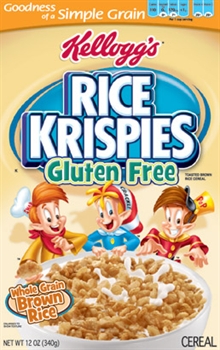
Gluten Free Rice Krispies

Cocoa is usually just that,
cocoa and nothing else. Have some on
hand to make home-made hot chocolate.
Dried fruit-it keeps a long
time, but check ingredients again to look for hidden stuff.Friday, April 5, 2013
In the beginning . . .
It
all started with gluten (it always seems to start with gluten). In case you don’t know (and some lucky people
do not), gluten is the protein in wheat, barley and rye. About 15 years ago, I
ran into a colleague who detailed some mysterious and severe health problems
that turned out to be gluten intolerance.
I listened and remembered the name, but didn’t think much of it. It was a rare illness; no need to keep track;
just be sympathetic. Then another colleague went down with a gluten intolerance, then another. I mean they were SICK. Unable to work much and stumping doctors for close to a year before each was given the diagnosis. Then they eleminated gluten and they were fine. I
tried to accommodate these friends and let them pick restaurants when we went out, but it did
not have that much impact on my life (except I got to hog the bread basket).
But
when my daughter, Tessa, was about seven years old, I began thinking that I
should plan differently for entertaining.
She was at a friend’s (Alexa) birthday party . The birthday girl’s best friend (Ivy) was
there. Alexa and Ivy were tight and
spent a lot of time together. I had
mentioned to Alexa’s mom that we were thinking of doing a gluten-free trial at
our house, but did not know how hard that would be for playdates-no cookies,
crackers, pretzels, cereal, mac and cheese, grilled cheese sandwiches, pizza,
etc. What would a mother do when
presented with a playmate who could not have wheat products (or barley or rye)
or the foods with hidden wheat (think soy sauce)? Alexa’s mother had said it was not a problem
for her. She was used to it. Ivy had celiac disease and could not digest
gluten. She was used to serving edamame,
rice crackers, fruit, popcorn. There
were lots of alternatives.
So
I felt better as I watched the party.
Maybe we could do this. Maybe
other mothers would not find it too challenging when presented with a little
visitor who had significant food restrictions.
The snacks at the party included a tray of fruit, some veggies with dip,
potato chips, cookies and punch. Ivy
knew to avoid the cookies. Then it was
time for cake. All the kids sang with
gusto, gathered around the cake glowing with candles. The cake was then cut and passed around. Ivy sat cheerfully with a few strawberries on
her plate. She did not seem to
mind. Really, she had celiac
disease. The cake would make her feel
sick, so it did not seem like a hard choice for her. It would have been different for my
daughter. Tessa did not have celiac
disease, but a trial had been recommended for some other health reasons. She did not feel sick when she ate
gluten. Foregoing the cake at a party
would have been tough. Tess is an
emotionally intense person and she loves ALL foods. Broccoli is a favorite, but she is never one
to pass up dessert either. At seven, she
would not have been able to sit cheerfully and watch everyone else eat
cake. She might get used to it, but she
would have felt left out. And frankly, I
was surprised. Alexa and Ivy were close
friends. They saw each other practically
daily. I was surprised that Alexa’s
mother had not found a gluten-free cake or at least one gluten-free cupcake for
Ivy. What child likes to be left out of the central event at a birthday party?
We
did our gluten-free trial. It was
helpful in some ways, but not a clear benefit.
We ended up being gluten-free just during high stress times of the year,
such as the start of school. When we
were gluten-free, I sent snacks on playdates.
Tess entered the house with big bag of popcorn, gluten-free cookies, or
some other treat. I did not restrict her
at parties and I did not give much thought to parties till she went to middle
school.
She and I were invited to a small mother-daughter jewelry party with some girls she had recently met at her new school. At the party, I met Hannah and her mom. Hannah was allergic to milk, eggs and nuts, as was her mother. They were great, down-to-earth people. As I stared at the lovely buffet, I saw that there was little they could eat. The cheese and crackers, the cookies, the cake, the muffins were all things that could contain milk or eggs or nuts. There were some fruits and vegetables that were safe, but not the dips. Neither Hannah nor her mother seemed to mind. They were obviously used to this. These were food allergies. An anaphylactic reaction made a stomach ache look like a walk in the park. The hostess could not have known. The girls had all just recently met. But still, I made a mental note. For the rest of the school year, if foods were requested for in-class parties, I made sure to send something Hannah could eat. I even asked her one day what was a quick and easy treat for her at parties. She said Oreos. Sure enough - no dairy, eggs or nuts in Oreos.
She and I were invited to a small mother-daughter jewelry party with some girls she had recently met at her new school. At the party, I met Hannah and her mom. Hannah was allergic to milk, eggs and nuts, as was her mother. They were great, down-to-earth people. As I stared at the lovely buffet, I saw that there was little they could eat. The cheese and crackers, the cookies, the cake, the muffins were all things that could contain milk or eggs or nuts. There were some fruits and vegetables that were safe, but not the dips. Neither Hannah nor her mother seemed to mind. They were obviously used to this. These were food allergies. An anaphylactic reaction made a stomach ache look like a walk in the park. The hostess could not have known. The girls had all just recently met. But still, I made a mental note. For the rest of the school year, if foods were requested for in-class parties, I made sure to send something Hannah could eat. I even asked her one day what was a quick and easy treat for her at parties. She said Oreos. Sure enough - no dairy, eggs or nuts in Oreos.
And
then it happened to us. Tess had continued
to have some health issues. More lab
tests. The new specialist said she
showed problems with gluten, dairy, eggs and sesame (sesame, what’s with that?). He suggested (kind of insisted) we go
big. The dietary regime started as a
modified “paleo” diet- no grains, beans, nuts, dairy, eggs, soy, and, of course. no sesame. We ate like cavemen. No grains meant no grains at all. There went all the gluten grains, but also
corn, rice, oats, quinoa, millet, and even more obscure stuff. The kid could have meat, most veggies, high
fiber fruits, and "good fats" (coconut oil, avocado).
Quite frankly, this used up the last of my brain cells, but Tess and I had some goals so we persisted. And she got better. Much better, noticeably better to many people she knew.
We stuck with paleo for 8 weeks. Then we were allowed to add in foods that had not marked as particularly sensitive. I asked her what she wanted to add first, she said, “Corn!!” Why corn, “because I want some popcorn.” Corn went back in with no problems, as did rice, nuts, night shades, and sweeteners (not artificial, but all the others). Soy did not fair well. Soy went back in and the kid’s eyes could not scan smoothly, so out it went. We ended up on a gluten-free, dairy-free, egg-free, soy-free, sesame-free diet. Hannah had it easy compared to us (though we could have nuts).
Tess had to toughen up. If she went to parties, it was likely she would not be able to eat anything (soy lecithin hides in many processed foods). The kid is not tough that way. She LOVES food, all sorts of foods. She loves healthy foods and had no trouble eating such a healthy diet, but she also loved to try new foods. She did not eat a lot of sweets, but also did not like to skip a goodie that all her friends were eating. And she was not particularly gracious at those moments. Try has she might, she would pout. On the new diet, she seemed somewhat less likely to pout. Irritability was down. But still, she was 12. Who wants to go to a party and watch everyone else eat the goodies. Party food is part of the party.
Quite frankly, this used up the last of my brain cells, but Tess and I had some goals so we persisted. And she got better. Much better, noticeably better to many people she knew.
We stuck with paleo for 8 weeks. Then we were allowed to add in foods that had not marked as particularly sensitive. I asked her what she wanted to add first, she said, “Corn!!” Why corn, “because I want some popcorn.” Corn went back in with no problems, as did rice, nuts, night shades, and sweeteners (not artificial, but all the others). Soy did not fair well. Soy went back in and the kid’s eyes could not scan smoothly, so out it went. We ended up on a gluten-free, dairy-free, egg-free, soy-free, sesame-free diet. Hannah had it easy compared to us (though we could have nuts).
Tess had to toughen up. If she went to parties, it was likely she would not be able to eat anything (soy lecithin hides in many processed foods). The kid is not tough that way. She LOVES food, all sorts of foods. She loves healthy foods and had no trouble eating such a healthy diet, but she also loved to try new foods. She did not eat a lot of sweets, but also did not like to skip a goodie that all her friends were eating. And she was not particularly gracious at those moments. Try has she might, she would pout. On the new diet, she seemed somewhat less likely to pout. Irritability was down. But still, she was 12. Who wants to go to a party and watch everyone else eat the goodies. Party food is part of the party.
Soon
I had simply skipped two parties we were invited to. They were pot-luck affairs with everyone
e-mailing their RSVP’s along with the dish they were making. It was apparent that if we went, we would
only be able to eat what we had brought.
That takes the fun out of a pot luck.
When Tess was invited to her first party since the beginning of the
“regime,” I simply asked the hostess if we could bring some treats. I knew Hannah would be there with her food
allergies. Another girl was allergic to
soy. Another was vegan. A tough bunch. I threw together popcorn balls, allergen-free Muddie
Buddies, and some veggie chips. The
hostess mom had also found tortilla chips and guacamole that passed
muster. Pizza, the main dish, was out,
but there were fruits and veggies. The hostess went out of her way to buy a few
gluten-free cupcakes, but they turned out to have soy in them. However, overall, it was a success for party
food. I just had to take Tess straight
home for some dinner. Snacks do not fill
you up when everyone else is having pizza.
But
an idea also had blossomed. Tess, who
has already run one business, wanted to start a cooking business making
allergen-free party foods. I
blanched. Our house is too small for a
cooking business, even if it was only run intermittently. However, we had developed a bunch recipes to
accommodate every possible food allergy in her middle school. That was useful information. I suggested a cookbook. Tess thought that would be great.
Given
all the food allergies and food sensitivities out there, we need some education
about good party food that meets the needs of the millennial party-goer. That's what we are here for. Every hostess wants to serve foods her guests
can eat. However, if one guest is
deathly allergic to peanuts, two have
celiac, another can’t have eggs or dairy, another is soy sensitive, two are
vegan, three are avoiding sugar, and one thinks artificial sweeteners are
poison, what is a hostess to do? We need
fun foods that are free of all the various taboo ingredients- well, at least a
few fun foods at any party.
So
the kid and I decided to start “Fun and Free Foods” - party foods for the new
millennium. I am in charge of blogging and financing (at least until we get the cookbook published). Tess is in charge of cooking. We both work on recipe development. Trust me, food sensitivities
are not going away. Every hostess might
as well be ready to entertain whoever comes through the door.
Subscribe to:
Posts (Atom)